Fortnum & Mason’s new responsive website
18 August 2015 - Amy McInnes

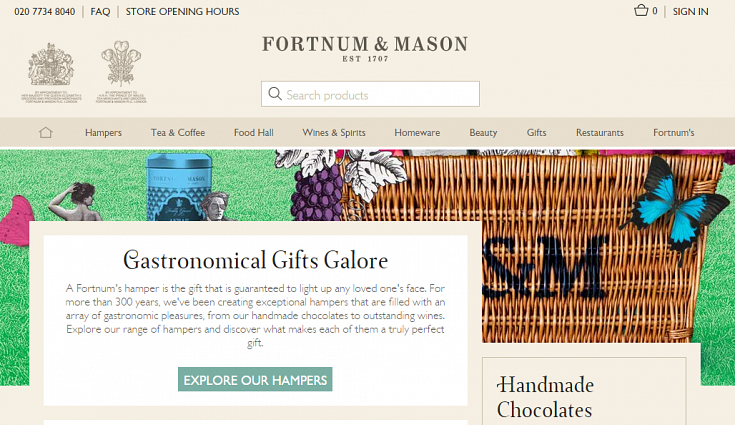
One of our new consultants, Jessica, has produced her first review for Internet Retailing looking at the new Fortnum & Mason website:
‘Fortnum & Masons’ new responsive website successfully conveys its exclusive brand identity, looks equally good on both desktop and mobile, and makes it very easy for customers to purchase its high end products. I may have found myself loading a virtual basket with delicious looking hampers full of chocolate, cheese and wine…
Unfortunately, these appealing products are sometimes difficult to find using the site’s navigation and search functions. Users will have a good experience as long as they do not worry too much about what they might be missing, but improving these features could really enhance customer confidence and bring the user experience up a level…’
Read the full review at Internet Retailing.
You might also be interested in...
Are AI Evaluation Principles Really New?
10 September 2026AI behaves differently from traditional software, but does it need new UX evaluation principles? Largely not. Nielsen's usability heuristics still apply, with trust, transparency and explainability the main additions.
Read the article: Are AI Evaluation Principles Really New?The Unintended Consequences of Making Things Easier
7 September 2026AI scribes save GPs time, but University of Edinburgh research suggests other things change too. Three lessons on behaviour, trust and effort for anyone introducing AI into a service people rely on.
Read the article: The Unintended Consequences of Making Things EasierBanned by the Algorithm: Why "Appeal Later" Isn't Trustworthy AI
20 August 2026Vinted’s automated account bans may be intended to protect users, but when decisions are opaque, explanations are vague and appeals come only after the damage is done, the problem is more than technical. This article explores why AI-driven enforcement is fundamentally a process design issue—and what platforms can do to make automated decisions more transparent, fair and trustworthy.
Read the article: Banned by the Algorithm: Why "Appeal Later" Isn't Trustworthy AI