12 thoughts on creativity
21 July 2015 - Abi Reynolds
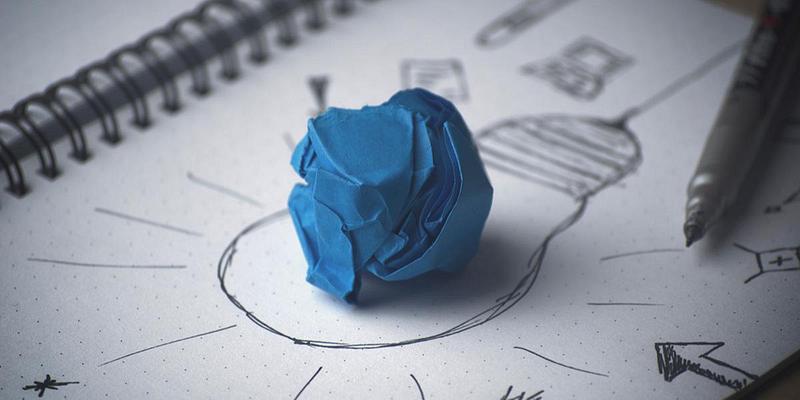
Creativity has been a hot topic at two UX conferences I attended recently here in the UK and in the US.

It seems that as UX Professionals in an ever increasing complex world we can get caught up in everyday life and dealing with ‘business as usual’. Sometimes it can be hard to tap into our creative selves and come up with new ideas and perspectives on how to approach our work.
So what did I learn about how can we invite more creativity into our lives?
- Make time for creativity. Figure out when you feel the most creative during the day and allow yourself time to be creative during that period. For me, like a lot of people, this is morning time. Some reports say creativity is heightened in the morning because the prefrontal cortex (this will open in a new window)is more active at that time.
- Practice makes perfect. Thinking creatively does not happen like a bolt out of the blue (unless you are Einstein), but rather it is like a muscle that needs to be trained. The more time you spend thinking creatively, the stronger that muscle gets.
- Create habits and routines to kick start the process. Repeated routines such as that morning cup of tea, listening to music, or meditating can help you get into a creative mood quicker.
- Get physical. Not only can exercise help you de-stress from everyday problems, it can also help get you into a more relaxed mental state which allows you to be more creative.
- Turn the TV off. It is slightly ironic that in order for us to be more creative and come up with innovative ideas around technology, the advice is to switch off all that technology. As mentioned at the conference, it is no coincidence that the best ideas can come when you are in the shower, as there are no screens in there to distract.
- Be more “Single-focused”. Attention and creative thoughts can often be fractured by trying to focus on too many things at the same time. In fact, studies from the University of London show that multitasking (this will open in a new window)can make your IQ drop temporarily. Switch off those notifications during your creative period.
- Don’t force it. Often new ideas and thoughts are percolating just below the surface in your subconscious and can be hard to reach. But keep with it. Giving yourself time to live with a problem can inspire new solutions. One helpful suggestion was to write down a list of questions you are interested in and keep it with you. This approach will keep thoughts bubbling around in the back of your mind and help surface those new ideas.
- Keep learning and build your memory. Learning and memory exercises can sharpen your creative muscles. Challenge yourself with puzzles, read more fiction, and get your brain working in new ways.
- Find new ways to organise your thoughts. You may not know yet how the dots are going to join up, but keeping up to date – and in particular, keeping abreast of new technologies – can disrupt old ways of thinking and stimulate new ideas. I use the tool Evernote to capture and record items of interest.
- Observe people and their habits. How do your customers use your products? Why do they do what they do? What else are they doing? Having a better understanding of how your customers engage with your products and how those products fit in with their lives allows you to spot areas for innovation.
- Do different things. As Einstein purportedly said: Insanity is doing the same thing over and over again and expecting different results. If you want to achieve different outcomes we need to change our behaviour and try new things. Making new connections or joining new networks can stimulate creative thinking. Be bold, try different approaches or strategies.
- Be kind to yourself. Don’t be so quick to shoot down your ideas. Turn off the self-criticism and let those ideas flow. The first idea may not be best one but it’s the start of the journey.
Take a deep breath. It’s time to invent the Future.
References/Resources
Keynotes from:
- Dan Saffer of Jawbone @odannyboy (this will open in a new window)
- Neema Moarveji of Spire (this will open in a new window)@moraveji(this will open in a new window)
- The Creative Habit by Twyla Tharp
You might also be interested in...
The Unintended Consequences of Making Things Easier
7 September 2026AI scribes save GPs time, but University of Edinburgh research suggests other things change too. Three lessons on behaviour, trust and effort for anyone introducing AI into a service people rely on.
Read the article: The Unintended Consequences of Making Things EasierDesigning the Journey to Change
5 August 2026The ScotRail app problems are a reminder that a digital launch is only part of the story. This article explores why smooth transitions, realistic testing and accessible design are essential when people rely on a service under pressure.
Read the article: Designing the Journey to ChangeWhy positionality matters in UX research
29 July 2026Positionality is the lens every UX researcher brings to their work. This article explores how who is asking the questions shapes what users share, how insights are interpreted, and why recognising our own perspective leads to better, more inclusive research.
Read the article: Why positionality matters in UX research