The UX of elections and voting
6 May 2015 - Chris Rourke
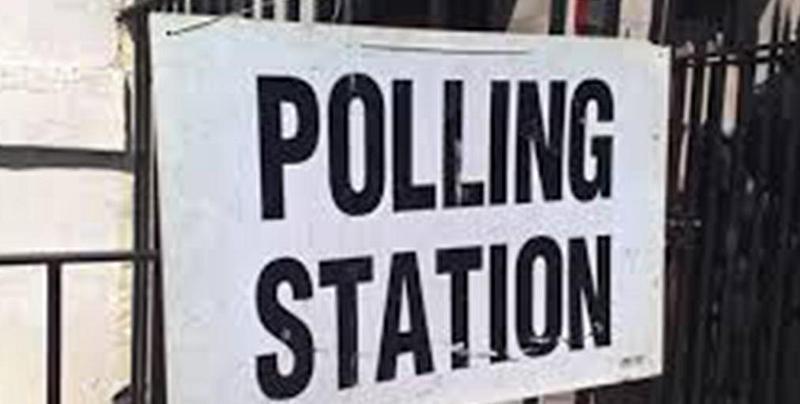
This Thursday after you close the curtain and carefully point your pencil to pick your preferred politician, pause for moment and consider the experience that you are having. How are you feeling? Anxious? Excited? Proud? Grateful? Undecided (still? You’re not alone).
Do you have any doubts about how you vote, especially if it’s your first time?
Hopefully the ballot paper is clear and the instructions are easy to follow. But if not then let your election monitors know because a lot of work has gone into making the process and materials as clear and easy a process as possible.
User Vision is fortunate to have been part of the process of improving the voting experience through our involvement in a project to review the voting experience and the design of ballots and instructions back in 2009.
As outlined in our case study describing the Electoral Commission project we conducted exploratory usability testing with dozens of participants in all parts of the country and with different designs of ballot paper and voting methods.
Our research found that everything from the layout of the ballot, the logos for the parties, party descriptions, slogans and the use of second languages (Welsh) could all impact the success or perceived ease of casting a vote.
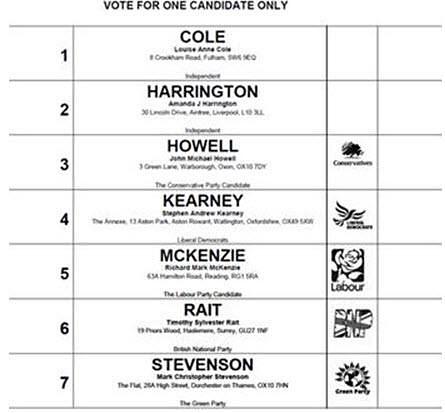
The electoral system itself was sometimes an issue, with most people expecting a ‘first past the post’ style of voting although in some elections a proportional representation is required when rank ordering the options.
Perhaps you have already done your democratic duty through the post. Postal voting is increasingly popular but presented the greatest challenges in our research. A certain degree of origami is needed to fold, tear and put envelopes inside of other envelopes. Depending on where you live you may need to get a witness to your postal vote. And after all that you hopefully remember to sign your name or else that vote ends on the large pile of spoilt ballots that occurs every election.
At the risk of displeasing Russell Brand(this will open in a new window), I hope that you exercise your right to vote. It’s a case where the “Wisdom of the Crowd” will hopefully prevail somehow through the prism of our electoral system. And if you are interested in learning more about the user experience of voting the summary report from our project has been published and is publicly available from the Electoral Commission website.(this will open in a new window)
Happy voting!
You might also be interested in...
User Vision is on G-Cloud 15
16 September 2026We're back on G-Cloud 15 with 76 specialist services spanning UX research, service design, accessibility and training - here's what's available and how it can support your 2027 planning.
Read the article: User Vision is on G-Cloud 15The Unintended Consequences of Making Things Easier
7 September 2026AI scribes save GPs time, but University of Edinburgh research suggests other things change too. Three lessons on behaviour, trust and effort for anyone introducing AI into a service people rely on.
Read the article: The Unintended Consequences of Making Things EasierDesigning the Journey to Change
5 August 2026The ScotRail app problems are a reminder that a digital launch is only part of the story. This article explores why smooth transitions, realistic testing and accessible design are essential when people rely on a service under pressure.
Read the article: Designing the Journey to Change