User Vision at UX Scotland 2019
11 July 2019 - Chris Rourke
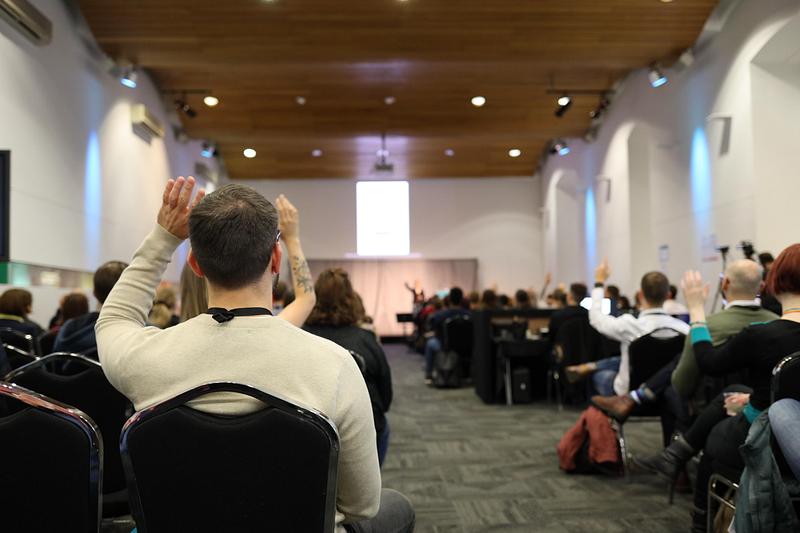
UX Scotland is over for another year and 2019 has been our favourite yet.
You can always find the User Vision team at UX Scotland, whether it be chatting to attendees at our stand, giving talks or just floating around soaking up the atmosphere.
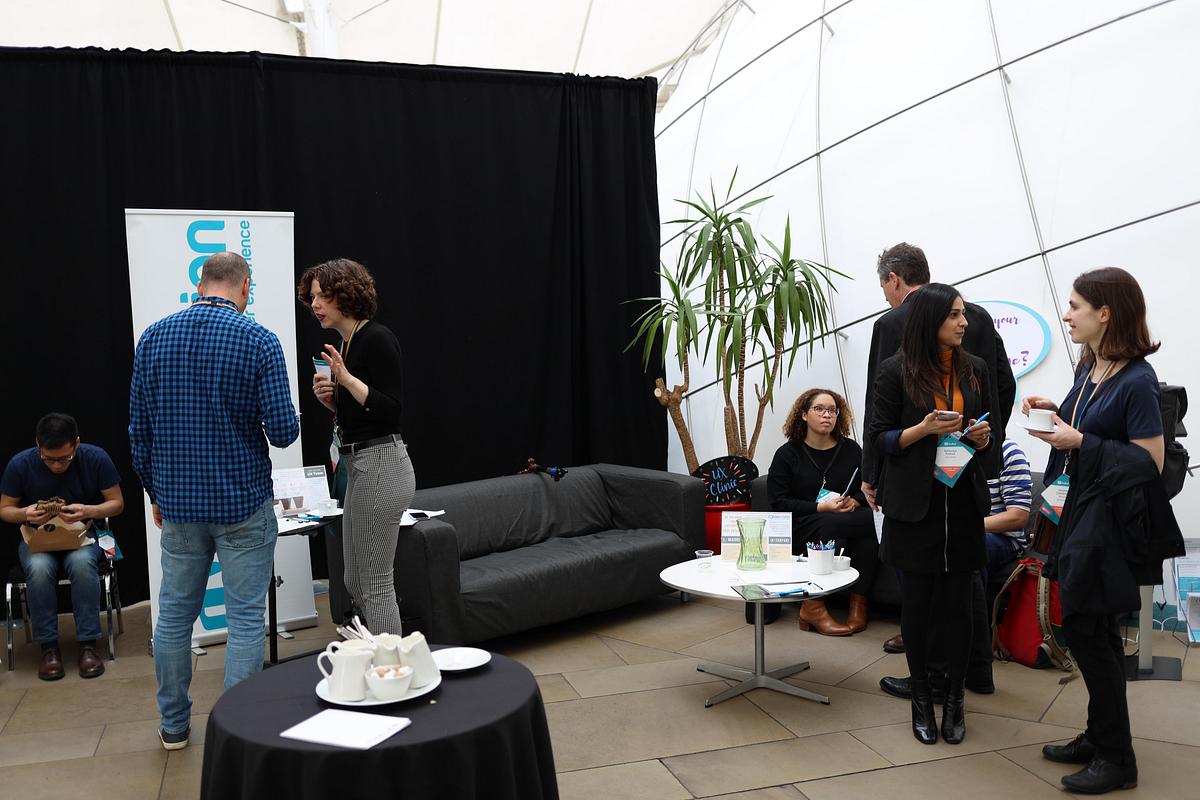
This year we changed our set up a bit, and for the first time we brought our User Vision Lounge along with us! Over the three days we created a welcoming and relaxed area for attendees to have a comfortable seat and chat with the team!
We also hosted our popular UX Clinic, where we gave attendees the opportunity to have a fifteen-minute sit down with one of our experienced Consultants and talk through their UX challenges.
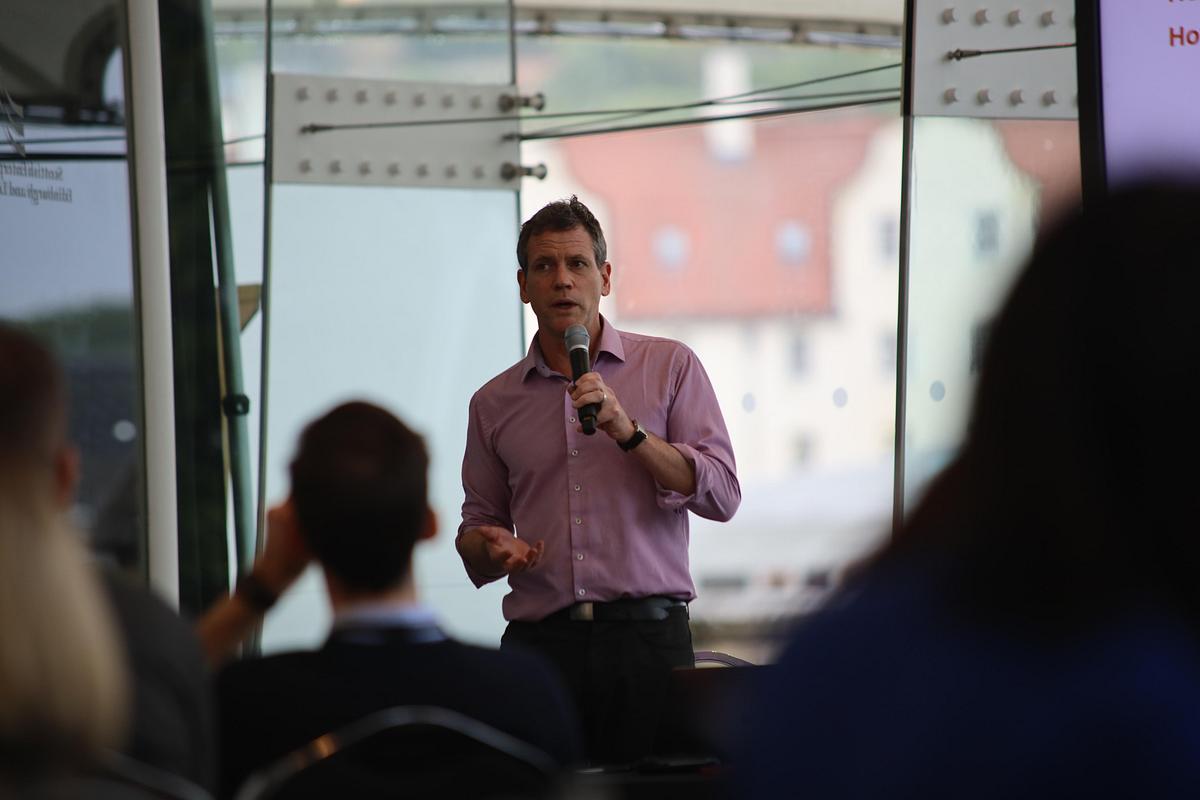
We also had members of our team running sessions on each day of the event.
On the Wednesday, our CEO, Chris Rourke, led a case study session on “Applying Top Tasks to Design a Better Experience”. Understanding users’ task priorities is essential for user-centred design, but this understanding is often based on internal assumptions rather than empirical evidence. The top task methodology provides solid data from users about what’s most important to them so you can design content and services around their actual tasks. The results are an improved information architecture and more relevant content to manage.
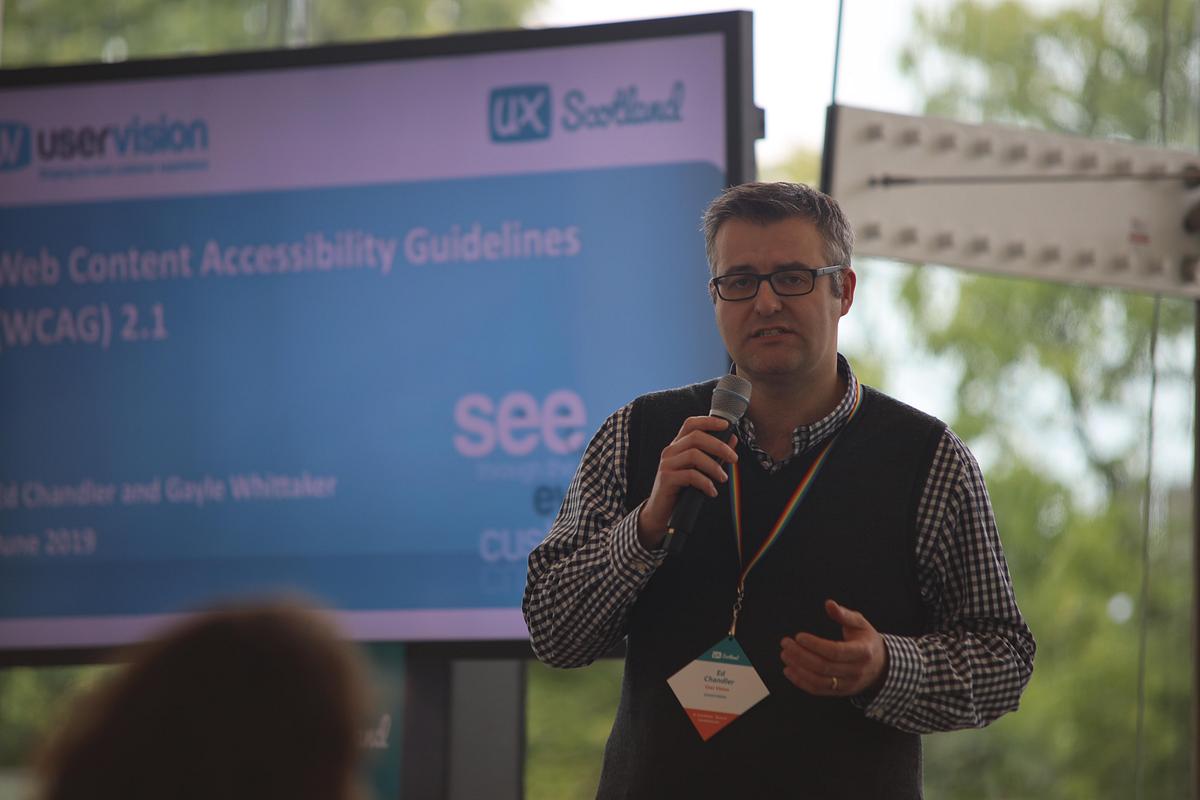
Our “WCAG 2.1 – Raising the Accessibility Bar” took place on Thursday, and was run by Ed Chandler (Client Strategy & Engagement) and Gayle Whittaker (Senior UX Consultant).
In June 2018 the World Wide Web Consortium (W3C) updated its Web Content Accessibility Guidelines (WCAG), the world’s de-facto technical standard for accessibility. Ed and Gayle outlined the changes from WCAG 2.1, spoke about how to audit your site for compliance, and shared examples to illustrate what the technical guidelines actually mean for websites, apps and other digital interfaces.
Accessibility is one of our companys key offerings and our whole team feel so passionately about the importance of accessibility and inclusive design.
On the final day of the conference, Abi Reynolds (Principal UX Consultant) and Steven Fullerton (UX Consultant) ran a tutorial session around testing voice interfaces.
During “Usability Testing for Voice Interfaces: Tales from Wizard of Oz testing”, Abi and Steven talked attendees through the end-to-end process for setting up and running user testing sessions for voice interfaces such as Amazon Alexa using the Wizard of Oz testing method. The session also looked at good practice for designing dialogue flows and conversations, and participants got the opportunity to create their own sample dialogues and conversational flows before testing them out with other participants.
If you missed out on this years UX Scotland, but you’d like to talk to a member of our team about your UX challenges, then please get in contact with us! Slides from our talk are also available on our Slideshare channel.
And if you did attend UX Scotland this year, how did you find it? What were your highlights?
You might also be interested in...
The shopping cart battleground: what Amazon's shopping agent standoff means for UX
21 September 2026Amazon has now blocked AI shopping agents from Perplexity, Google, OpenAI and Meta. Behind the legal arguments sits a UX problem: customers who ask an agent to buy for them and hit a wall. Here is what the standoff means for your customer journeys, and three questions to ask now.
Read the article: The shopping cart battleground: what Amazon's shopping agent standoff means for UXBuilding Accessibility with Generative AI: Five Things Teams need to Consider
18 September 2026Generative AI is changing how quickly teams design and build, but speed does not guarantee accessibility. Here are five things to consider, from putting accessibility into the prompt to testing the experience and knowing who stays responsible.
Read the article: Building Accessibility with Generative AI: Five Things Teams need to ConsiderUser Vision is on G-Cloud 15
16 September 2026We're back on G-Cloud 15 with 76 specialist services spanning UX research, service design, accessibility and training - here's what's available and how it can support your 2027 planning.
Read the article: User Vision is on G-Cloud 15