Join our Accessibility Research Panel!
8 July 2024 - Chris Rourke
.png)
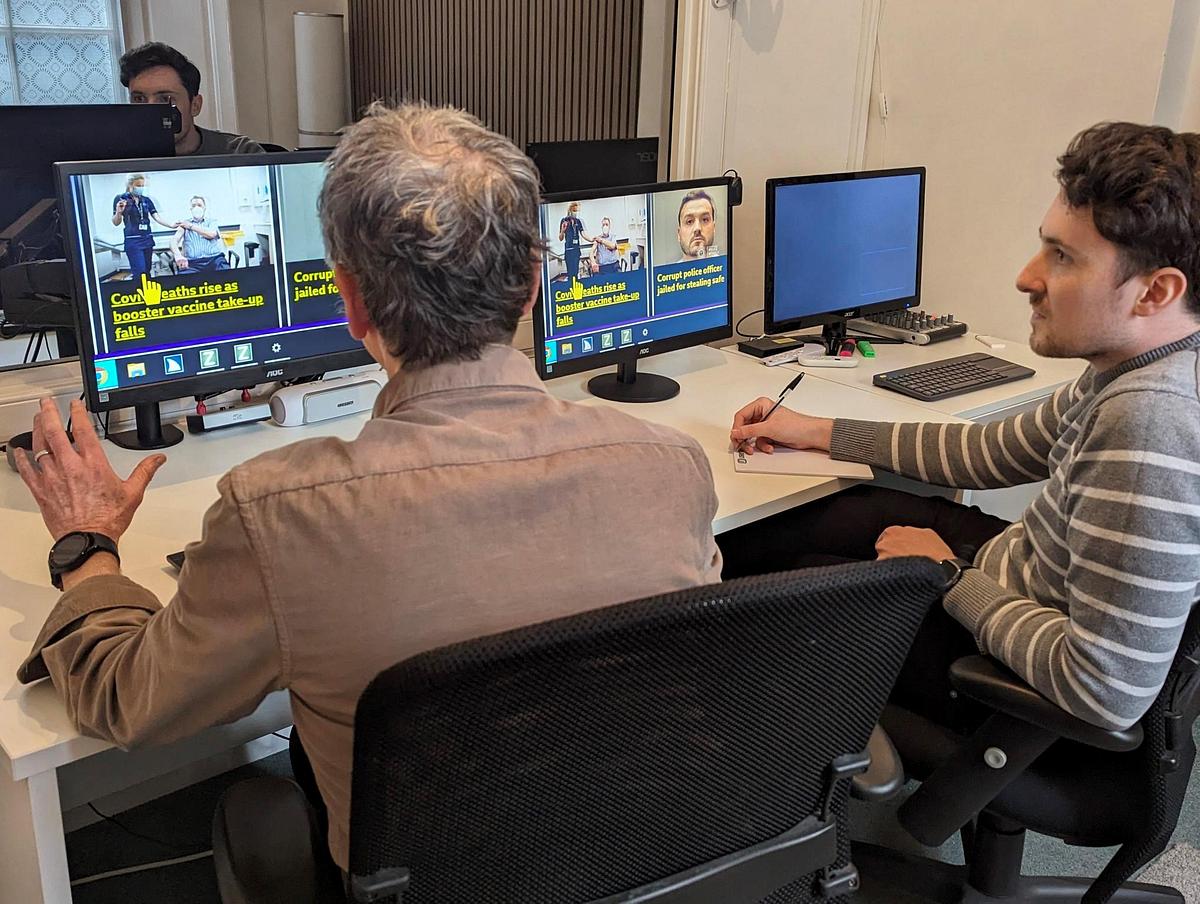
Research with disabled users is at the heart of our efforts to expand our research panel of individuals with disabilities to take part in usability testing, surveys, and interviews.
Who We Are Looking For
We are actively seeking individuals with various disabilities who are eager to share their insights and experiences with digital services. Whether you have mobility impairments, visual or auditory disabilities, learning difficulties, or are neurodivergent, your participation can significantly impact the future of digital accessibility.
How You Can Contribute
We invite you to take part in research sessions that may be conducted in Edinburgh, Glasgow, London or done remotely from the comfort of your own home. There are no binding commitments—you choose which projects interest you and how often you want to participate. Your feedback will be instrumental in identifying and addressing challenges faced by users with disabilities on various digital platforms.
Benefits of Joining Our Panel
- Get Paid: You will be compensated for your insight, including coverage for any travel expenses if you choose to participate in sessions in person.
- Make a Difference: Your insights will directly contribute to creating more usable and accessible online services, impacting many users worldwide.
- Flexibility: Joining our panel comes with no obligations. You are free to opt-out anytime and select participation opportunities that suit your schedule and interests.
- Remote or in person: Choose to participate in usability testing and interviews from wherever you feel most comfortable.
Past Successes and Looking Forward
Our panel includes members from organisations like RNIB and Dyslexia Scotland who have contributed their valuable feedback in research sessions. We're currently planning more sessions to include users with a range of disabilities and are eager to include new voices in our research.
If you would like to help make digital spaces more accessible and inclusive, we invite you to Join our Research Panel here.(this will open in a new window) Fill in the simple online sign-up form, or get in touch directly. We would love to hear from you!
We also invite you to share this research panel with your network, friends or family and help us reach those who would like to contribute to our mission.
For any enquiries or more information about our digital accessibility initiatives, please feel free to contact us at panel@uservision.co.uk. Together, let’s build a more inclusive online experience for everyone!
You might also be interested in...
The shopping cart battleground: what Amazon's shopping agent standoff means for UX
21 September 2026Amazon has now blocked AI shopping agents from Perplexity, Google, OpenAI and Meta. Behind the legal arguments sits a UX problem: customers who ask an agent to buy for them and hit a wall. Here is what the standoff means for your customer journeys, and three questions to ask now.
Read the article: The shopping cart battleground: what Amazon's shopping agent standoff means for UXBuilding Accessibility with Generative AI: Five Things Teams need to Consider
18 September 2026Generative AI is changing how quickly teams design and build, but speed does not guarantee accessibility. Here are five things to consider, from putting accessibility into the prompt to testing the experience and knowing who stays responsible.
Read the article: Building Accessibility with Generative AI: Five Things Teams need to ConsiderAre AI Evaluation Principles Really New?
10 September 2026AI behaves differently from traditional software, but does it need new UX evaluation principles? Largely not. Nielsen's usability heuristics still apply, with trust, transparency and explainability the main additions.
Read the article: Are AI Evaluation Principles Really New?